

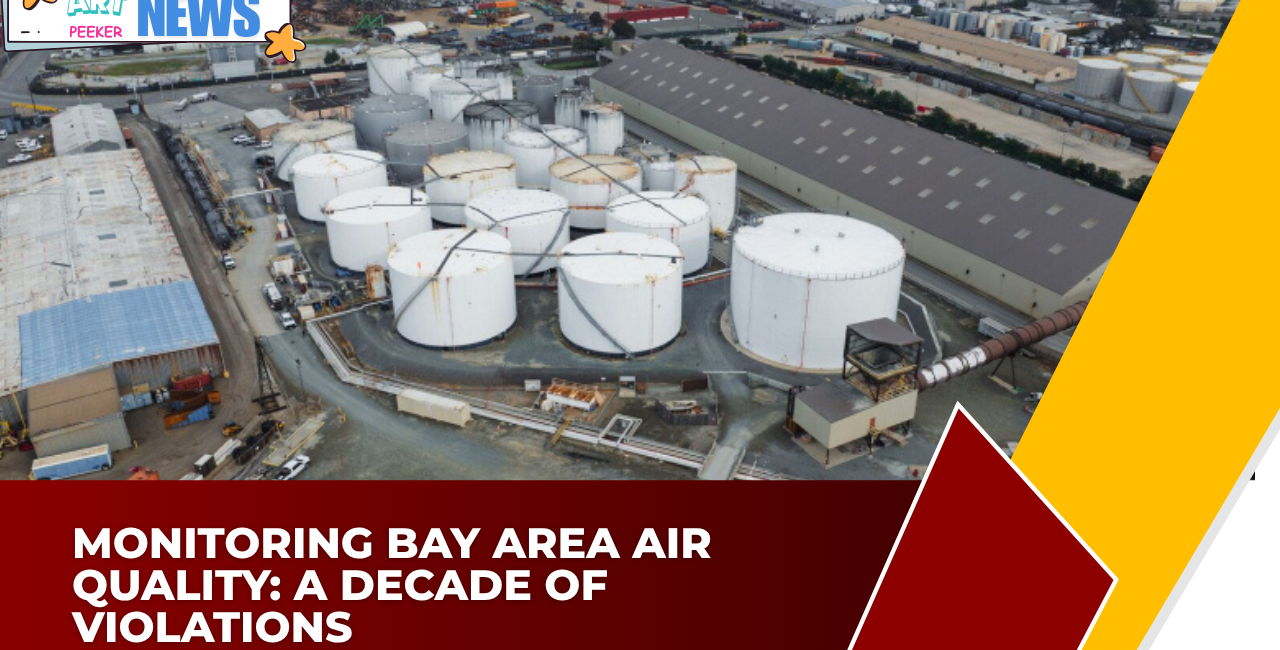
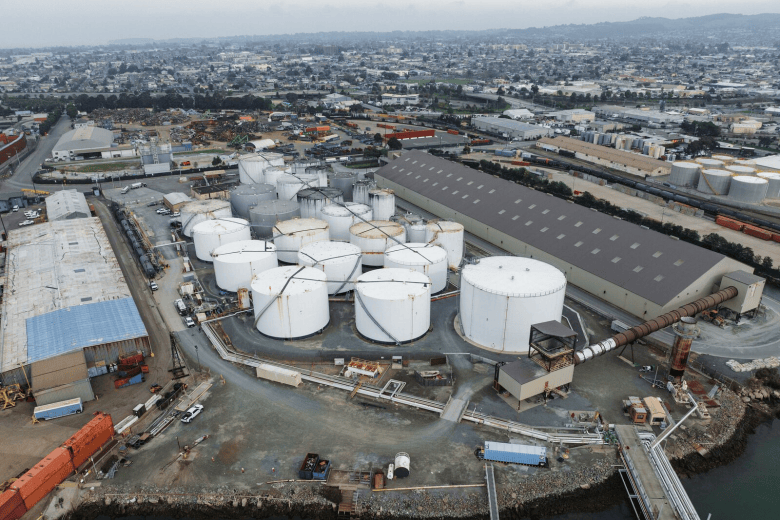
When examining the state of bay area air quality, a decade of regulatory data reveals a complex landscape of environmental enforcement and persistent industrial challenges. Between 2015 and 2025, the Bay Area Air Quality Management District (BAAQMD) issued more than 10,000 notices of violation to a wide range of entities, from massive oil refineries to local municipal agencies. Analysis of this data, which serves as a Richmond Side for this report, underscores the ongoing friction between industrial production and public health standards in the region.
The Bay Area’s Most Significant Pollution Penalties
Air polluters in the region have faced varying degrees of scrutiny, with the largest financial penalties consistently directed toward fossil fuel corporations. According to records analyzed for the 2015–2025 period, the air district assessed nearly $122 million in total fines. While the vast majority of these penalties stem from systemic industrial operations, the enforcement scope is surprisingly broad, touching upon hospitals, dairy farms, and even state departments like the California Highway Patrol.
The Valero refinery in Benicia stands out as the most heavily penalized entity in the dataset, accounting for approximately $82 million in fines. This figure includes a historic settlement reached in 2024. Following in the list of high-impact payers are industry giants such as Chevron Richmond, Tesoro, Chemtrade West, and Radius Recycling (formerly Schnitzer Steel). Interestingly, the enforcement reach extends to the technology sector, with Tesla’s Fremont factory appearing in the top 10 list, having been cited 374 times over the decade for various infractions, including Clean Air Act violations and late reporting.
Understanding the Enforcement Process
Since we have established the scale of fines associated with the Bay Area’s major industrial players, it is essential to understand how these violations are identified and processed. The air district relies on a dual-pronged approach to compliance: proactive routine inspections of permitted facilities and reactive investigations triggered by public complaints. Edward Giacometti, a manager with the air district’s compliance and enforcement division, noted that staff actively investigate reports of odors, dust, and smoke to determine if a legal violation has occurred.
Once a violation is confirmed, the penalty amount is calculated based on several variables, including the severity of the event and the offending party’s past compliance history. For the agency, these fines are not merely punitive; they serve a functional purpose. Under current policies, a portion of the revenue generated from these settlements is reinvested into the community, specifically funding initiatives designed to improve public health and address environmental justice in disproportionately impacted areas like Richmond and Benicia.
Challenges of Pending Violations
After reviewing the criteria used to determine financial penalties, one of the most pressing concerns remains the volume of unresolved cases. As of mid-December 2025, over 3,300 violation notices remained pending—roughly one-third of the total issued over the decade. Alexandra Kamel, senior assistant counsel for enforcement, explained that the process is often lengthy because the agency must ensure a robust legal foundation before finalizing settlements.
While companies may have teams of legal experts dedicated to managing their liability, the air district maintains that it does not allow entities to simply “wait out” potential penalties. Current regulations allow for the possibility of increased penalties if an entity is found to be intentionally delaying the resolution process. Despite these administrative mechanisms, the backlog persists, with hundreds of violations remaining unresolved for five years or longer. This ongoing situation highlights the significant time and resources required to enforce environmental regulations effectively, particularly when dealing with the complex, multi-year investigations often required for large-scale industrial incidents.

Other Articles
Good Hot Beachfront Saunas Redefine Bay Area Wellness

No Comment! Be the first one.